
Commercial Overhead Door Installation & Repair
Sectional and rolling steel doors for shops, warehouses, storage buildings, contractor yards and business properties across Greater Cleveland.
A commercial door opens and closes many times a day, for people who did not install it and do not think about it — until it stops with a truck half loaded. Greenbriar Gates & Garage Doors works on commercial properties that need reliable overhead doors: springs rated for the number of cycles the door really makes, operators sized for the duty, and inspections timed to how hard the doors work, so the door is never the reason a shift starts late.
Buildings we work on
- Auto repair shops and service bays
- Warehouses and distribution space
- Self-storage buildings
- Contractor and landscaper shops
- Fleet and equipment garages
- Apartment and condo garages
- Loading doors behind stores and restaurants
- Pole barns and outbuildings
Commercial door systems
| System | Typical use | Why it fits |
|---|---|---|
| Insulated sectional steel door | Heated shops, service bays, warehouses with offices | Holds heat, takes a row of windows, runs quietly |
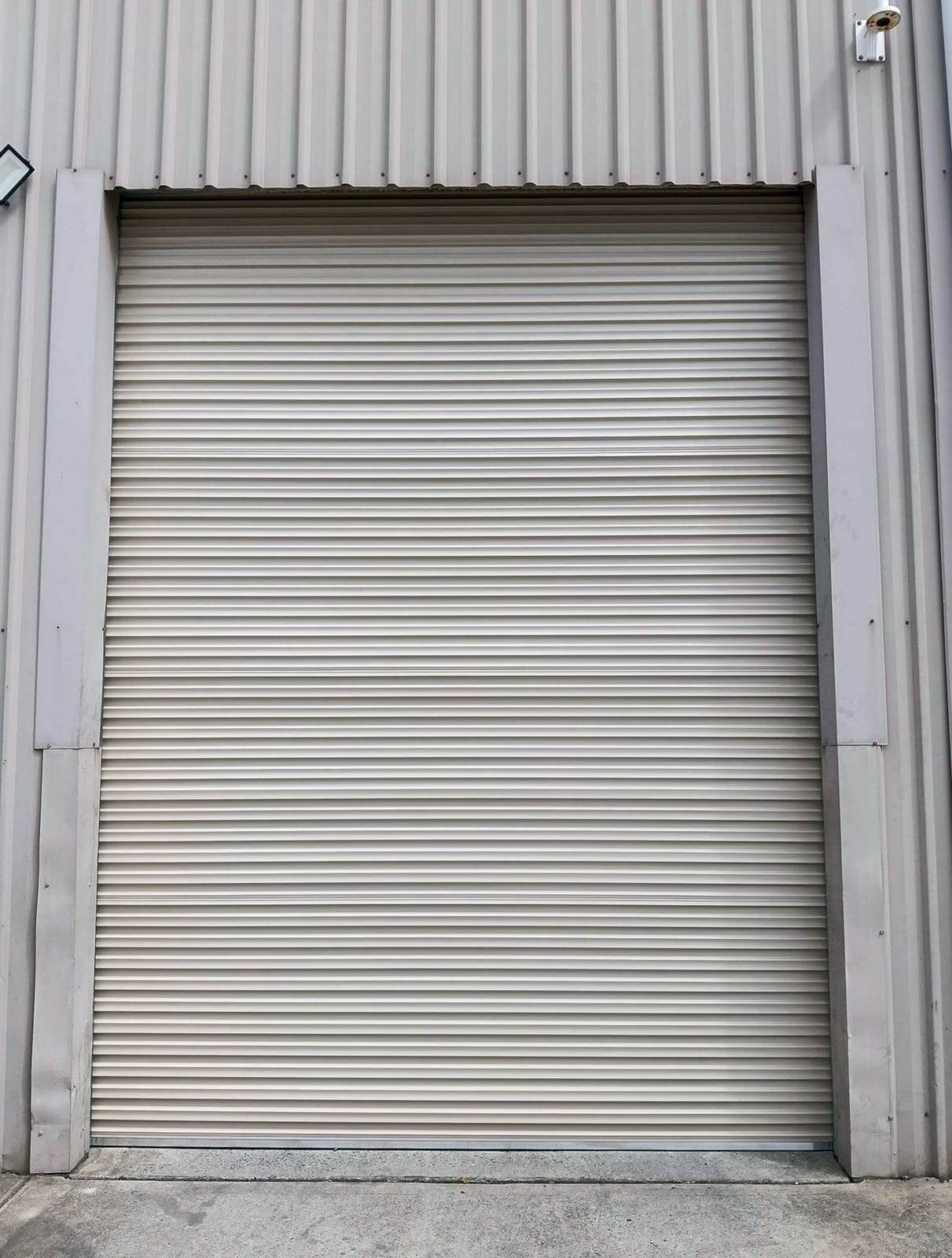
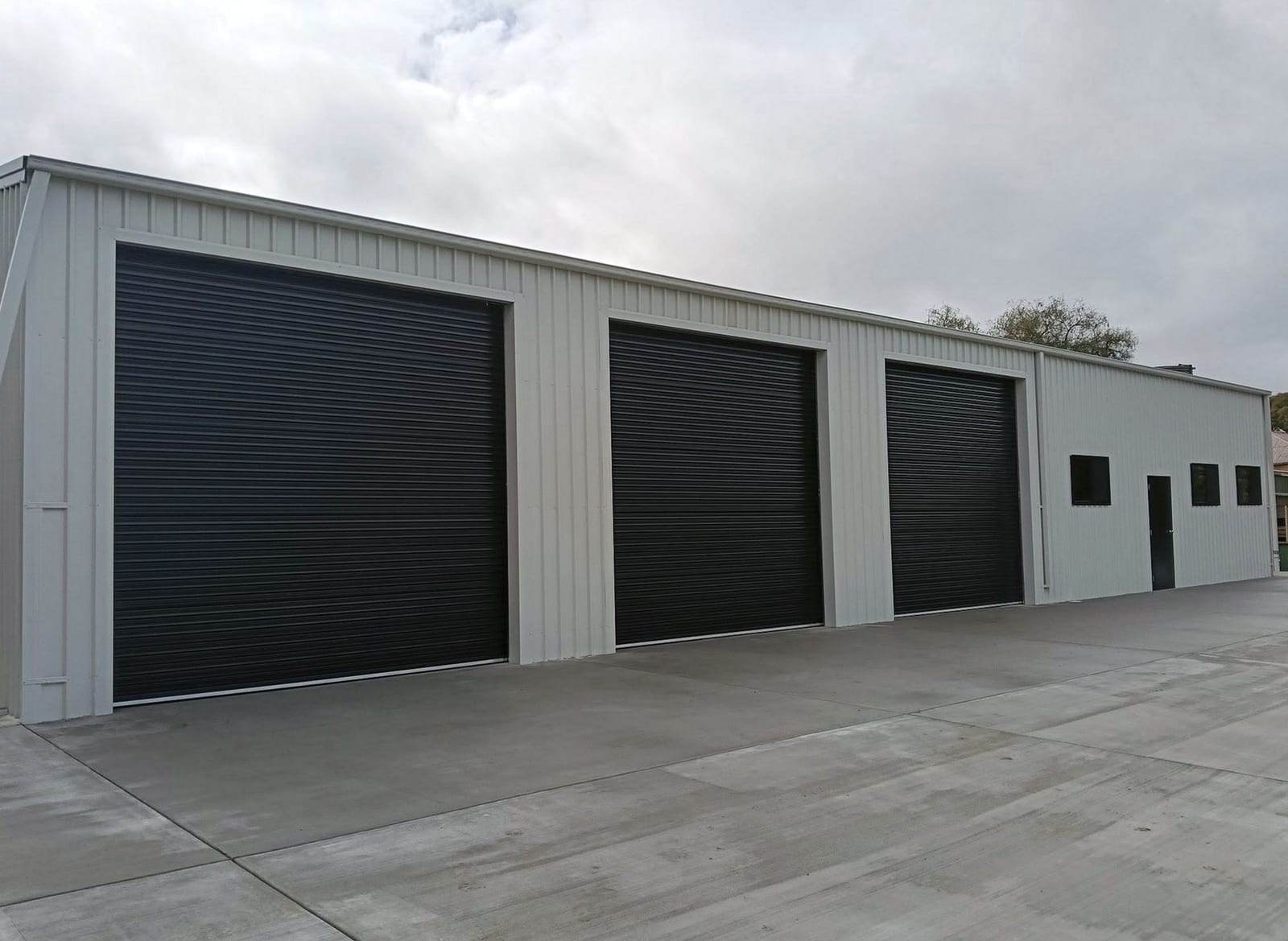
| Rolling steel door | Loading doors, storage buildings, openings with no room above them | Coils above the opening; a tough curtain that leaves the ceiling clear |
| Full-view aluminum door | Showrooms, service write-up areas, restaurants | Daylight and a view through the door |
| High-lift or vertical-lift track | Buildings with tall ceilings, vehicle lifts or racking | Keeps the open door up and out of the way of lifts and racks |
| Storage roll-up doors | Rows of self-storage units | Light, simple doors that one person can open by hand |
Cycles, springs and operators
Standard residential springs are rated for about 10,000 cycles. A service-bay door that opens twenty times a day uses that up in under a year and a half. Commercial doors get high-cycle springs, rated for 25,000 to 100,000 cycles and sized to the door's weight and its traffic, and an operator built for the duty: trolley operators for lighter sectional doors, jackshaft and hoist operators for heavier sectional and rolling doors, with a hand chain for opening the door when the power is out.
| How the door is used | Springs | Operator |
|---|---|---|
| Occasional: equipment garages, storage, pole barns | Standard-cycle springs | Light-duty trolley or jackshaft operator, or opened by hand |
| Daily: shops and small warehouses | High-cycle springs, around 25,000–50,000 cycles | Commercial jackshaft or trolley operator |
| All day: service bays, loading doors, fleet garages | High-cycle springs, up to 100,000 cycles | Heavy-duty hoist or jackshaft operator with photo eyes or a safety edge |
Opener types and the safety sensors are explained on the garage door openers page.
Doors used by many people
When many people use one door — tenants of a storage building, drivers in a fleet, the crew of a contractor shop — the controls matter as much as the door. Keypads with separate codes, remotes, wall stations with open, close and stop buttons, photo eyes or a safety edge along the bottom of the door, and a timer that closes a door people tend to leave open are set up so the door gets used the way it is meant to be, and nobody has to remember to come back and close it.
Planned inspections
A door that works hard should be looked at on a schedule rather than when it fails. An inspection covers the items below, with a note of anything that will need attention soon so it can be planned around the work week instead of interrupting it.
| What gets checked | Why it matters |
|---|---|
| Springs and balance | A spring that breaks mid-shift stops the door; wear shows before it fails |
| Cables, drums and bottom brackets | A frayed cable drops the door crooked and can bend sections |
| Rollers, hinges and track | Worn parts make the operator work harder and wear out sooner |
| Seals and weatherstrip | Heat loss and blown-in snow at loading doors |
| Operator and safety devices | Limits, force, photo eyes and edges tested so the door reverses when it should |
Emergency commercial door repair
A door stuck open leaves the building unsecured overnight; a door stuck shut keeps trucks out and stock in. Same-day service is common for urgent calls like these, evenings and weekends included. If the fix needs a part that has to be ordered, the first job is getting the door closed and secure until it arrives. Property managers and owners can reach us at (440) 732-4323 or through the service request form — tell us the building, the door type and what it is doing.
Commercial door questions
How quickly can you get to a commercial door that is stuck open?
Same-day service is common for anything urgent, and a building that cannot be locked for the night is urgent. Call, tell us the building, the door and what it is doing, and you get a realistic arrival window. If a part has to be ordered, the first job is getting the door closed and secure until it arrives.
Do you work on rolling steel doors as well as sectional doors?
Yes. Sectional doors, rolling steel doors and the operators that drive them are all part of the commercial work. Rolling doors keep their spring tension inside the barrel above the opening, so adjusting or replacing those springs is a job for someone who has done it before.
How often should a commercial door be serviced?
Twice a year suits most commercial doors. A service bay or loading door that runs all day is worth a look every quarter, because its springs and rollers wear several times faster than those on a door that opens a few times a week.