
Garage Door Installation in Parma & Greater Cleveland
Sectional, carriage-house, full-view and roll-up doors, insulated or not, plus replacement sections for a door that is otherwise sound — measured and set up to work through a Cleveland winter.
A garage door is the biggest moving part of most houses, and it runs every day in every kind of weather. Greenbriar Gates & Garage Doors installs doors to work in February, not just on the day they go in: tracks set plumb and level, springs sized to the actual weight of the door, seals that close the gap on an uneven slab, and a door chosen for how the garage is really used. Whether it is a single-car door on a detached garage in Parma or an insulated two-car door on an attached garage in Strongsville, the method is the same — measure carefully, hang it square, balance it.
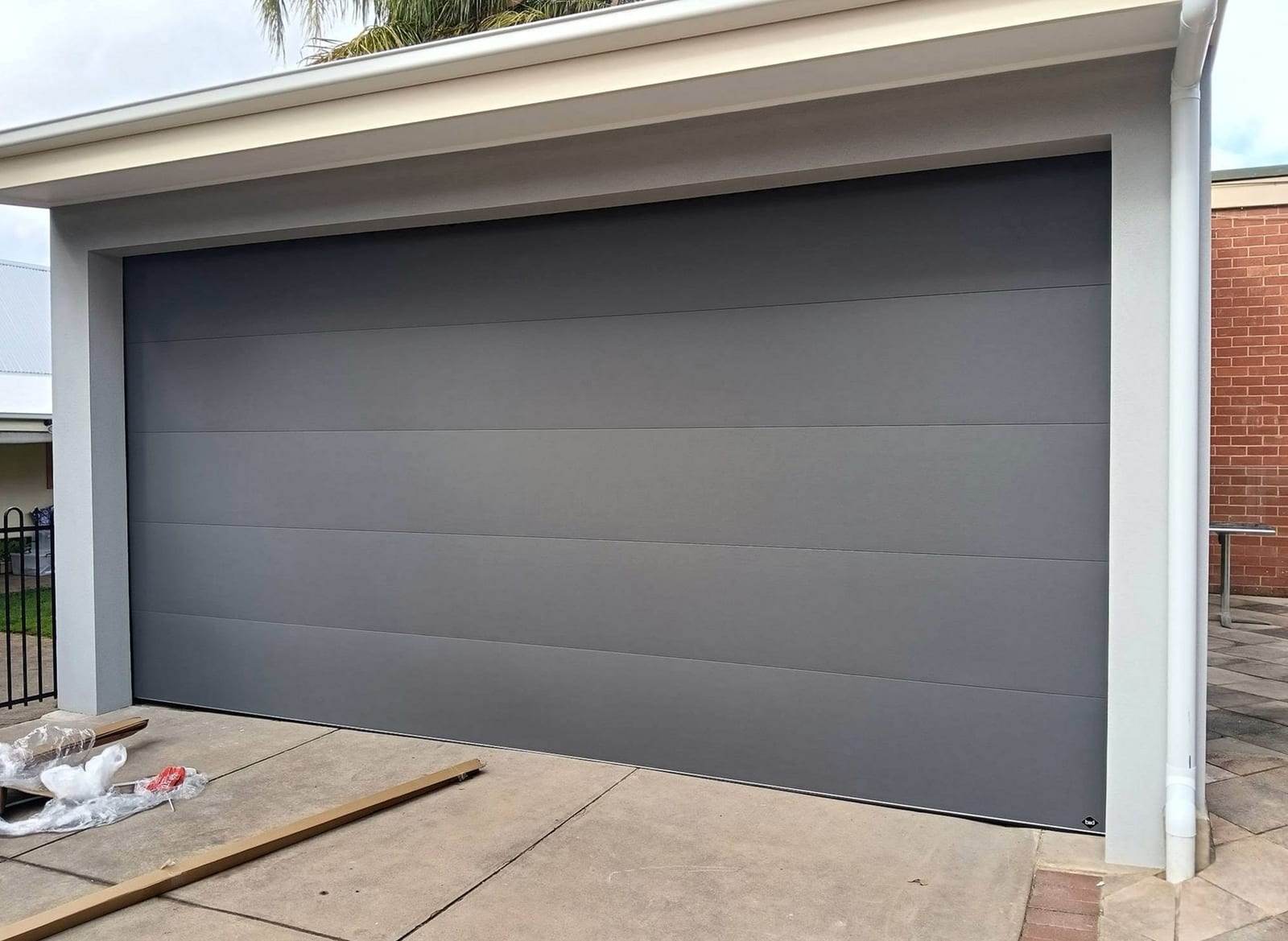
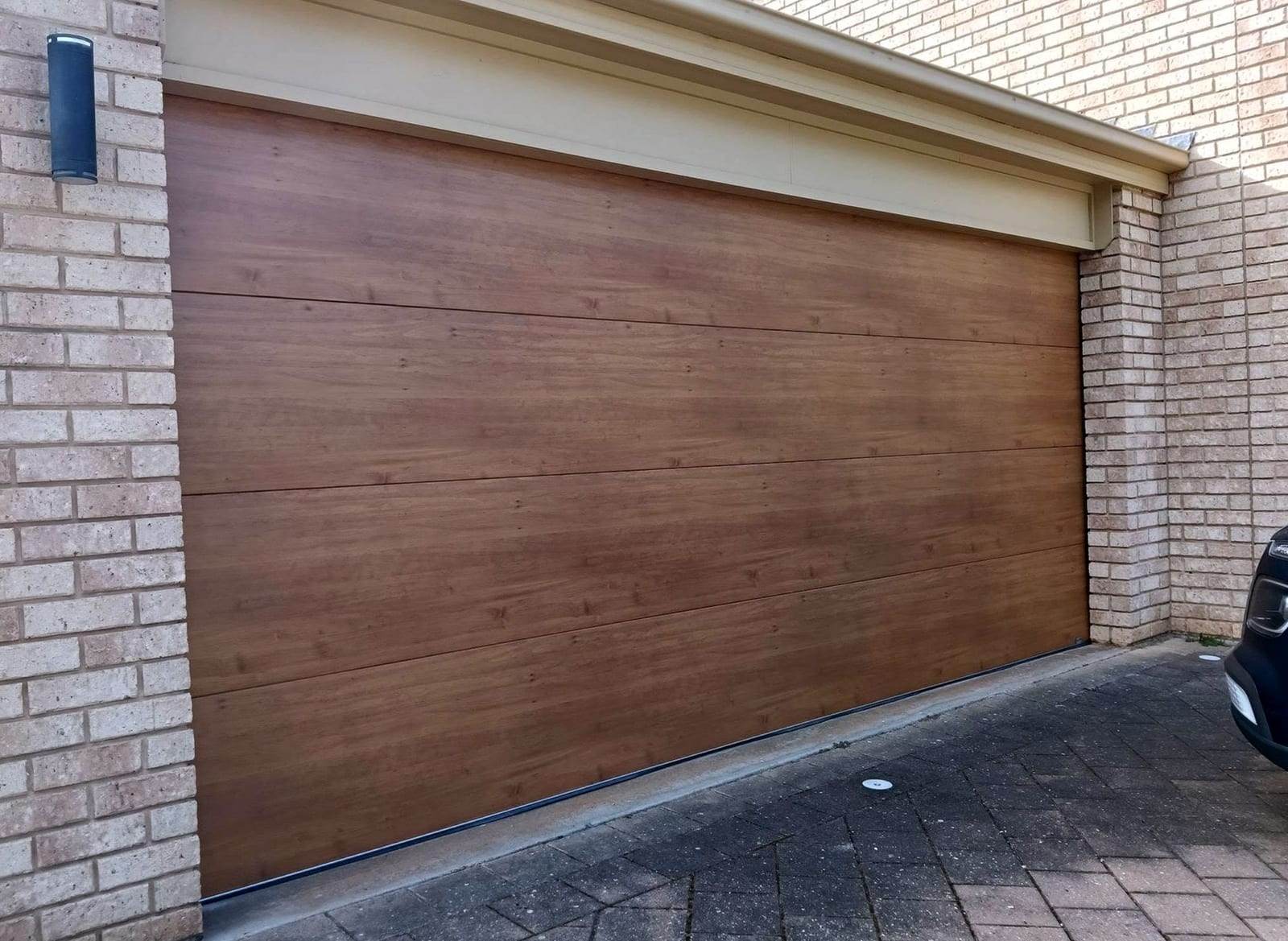
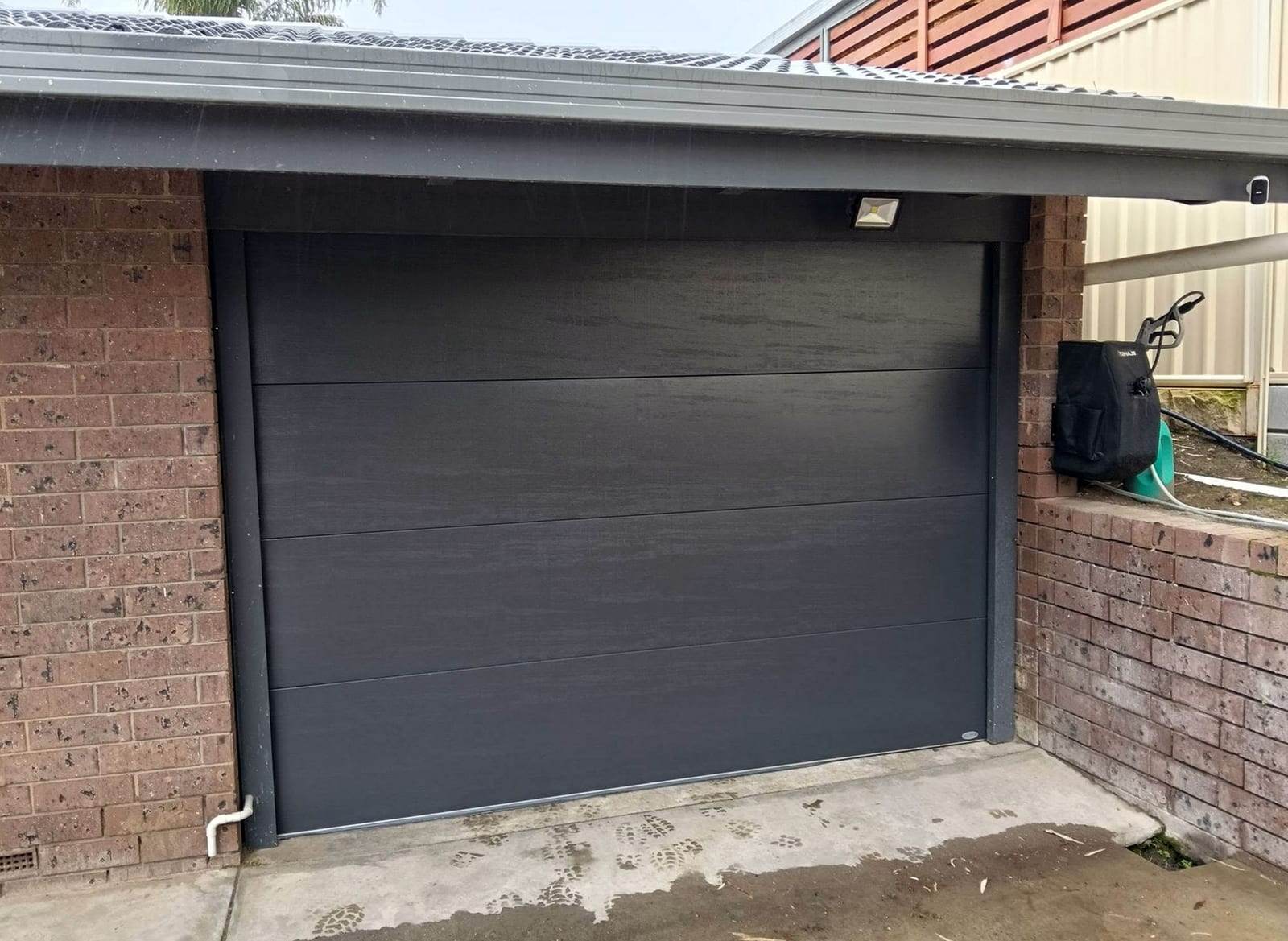
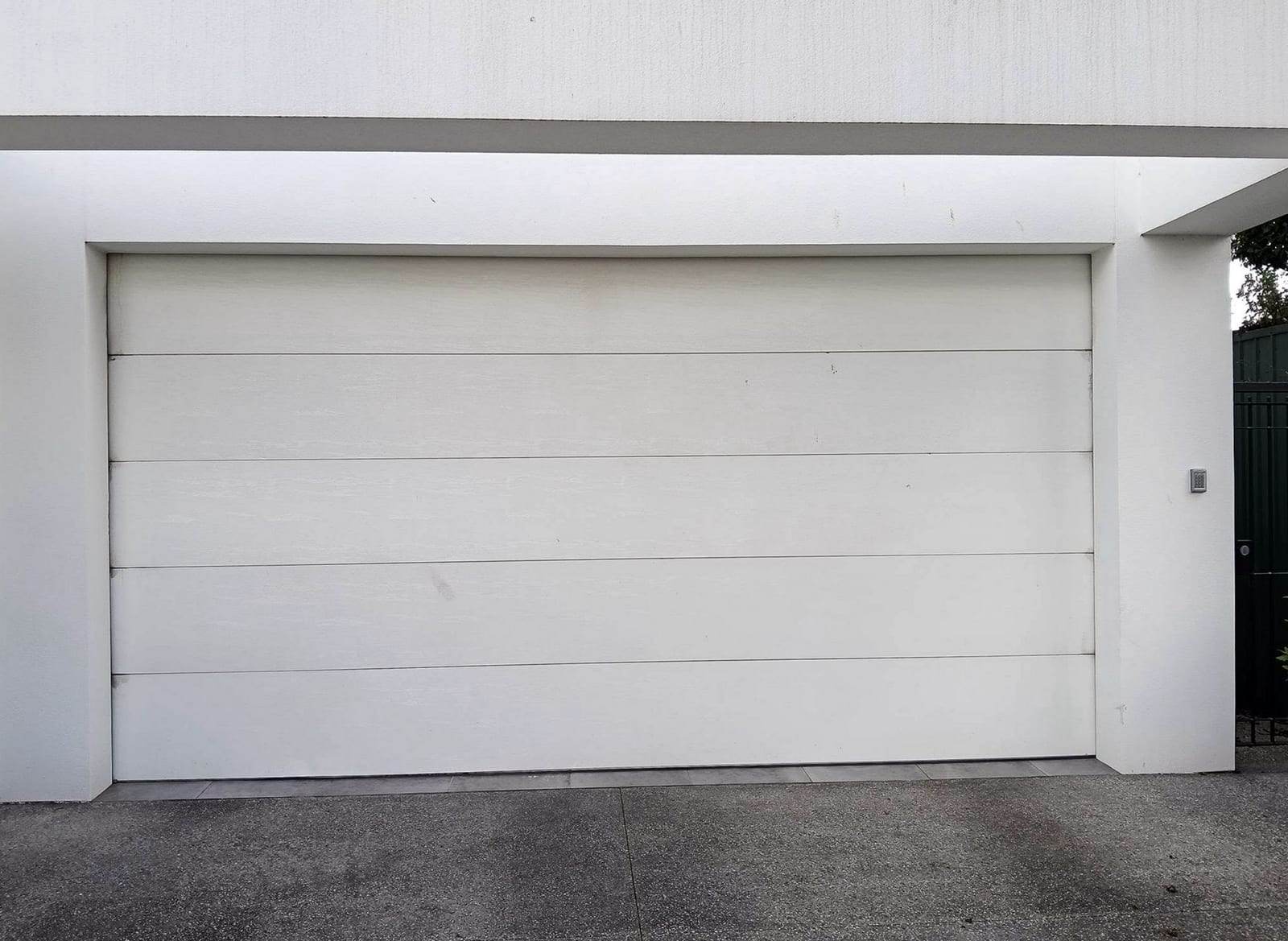
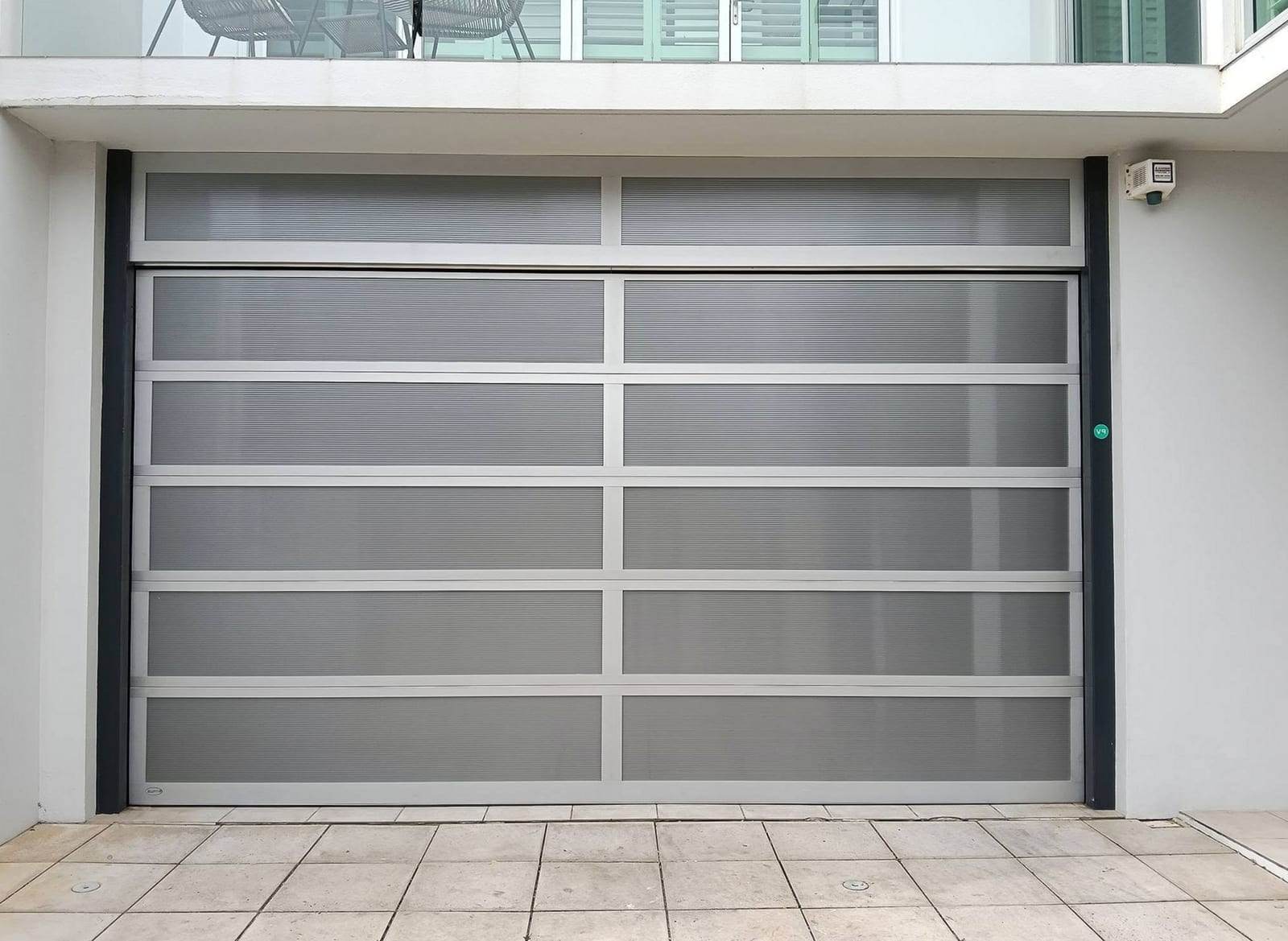
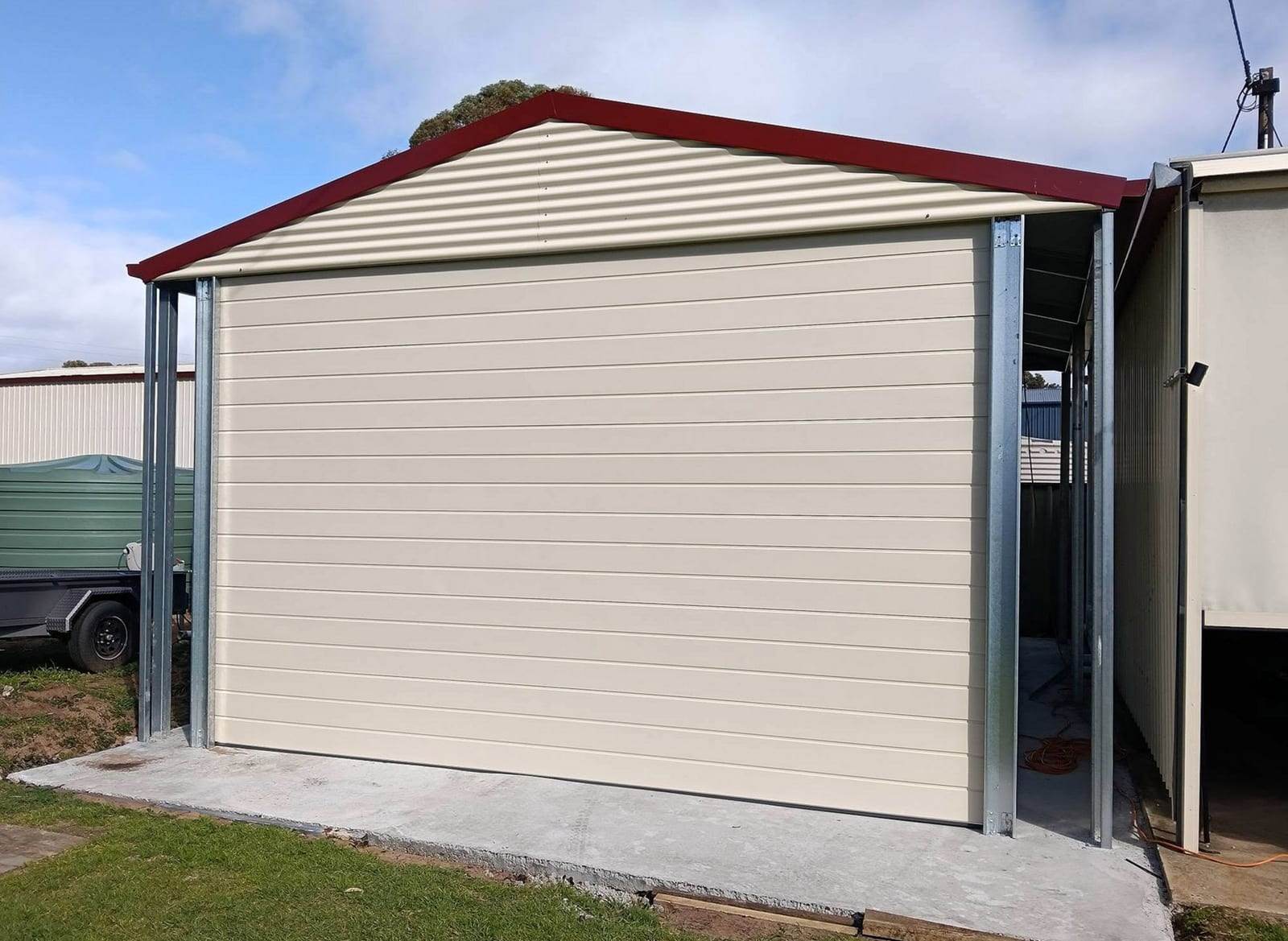
Sectional door or roll-up door?
| Sectional door | Roll-up door | |
|---|---|---|
| Where it fits | Attached and detached garages on houses; by far the most common door in Ohio | Sheds, outbuildings, workshops and commercial bays |
| Room needed | Headroom above the opening (about 12 inches for standard track) and a clear run along the ceiling | Space above the opening for the coiled curtain; nothing along the ceiling |
| Insulation | Available with polystyrene or polyurethane cores and tight perimeter seals | Limited; the slats let more air through |
| Looks | Raised panel, flush, carriage-house or full-view; windows optional | A plain ribbed curtain |
| Openers | Ceiling-mount chain, belt or screw drive, or a wall-mount unit | Side-mounted operators made for rolling doors |
| Upkeep | Springs, cables, rollers, hinges and seals | Spring tension in the barrel and the curtain guides |
Materials and insulation
- Single-layer steel — the light, economical choice for a detached, unheated garage. It dents more easily than insulated steel.
- Insulated steel — two- or three-layer sections with a polystyrene or polyurethane core. A warmer garage, a quieter door and stiffer panels; the usual pick for attached garages.
- Steel with a woodgrain or composite overlay — the look of stained wood without refinishing. These doors are heavier, so the springs and opener are sized to match.
- Real wood — custom carriage-house designs at their best, with refinishing every couple of years in our climate to keep water out of the bottom section.
- Aluminum and glass — full-view doors for modern homes and workshops, with clear, frosted or tinted glass, or polycarbonate panels for a lighter door.
- Windows — a row of windows in the top section brings daylight into the garage while keeping the lower sections solid.
The services overview has a side-by-side table of looks, upkeep and winter performance.
Built for Ohio winters
Most door problems we repair trace back to how the door was set up. A door hung on tracks that are out of plumb rubs and chews through rollers; springs sized for a lighter door leave the opener doing the lifting until something breaks; a stiff bottom seal on an uneven slab leaves a gap that lets in snow, leaves and mice. On an installation the vertical tracks are set plumb and fastened to solid framing, the springs are sized to the weight of the door, the door is balanced so it stays put halfway up, and a new bottom seal and perimeter weatherstrip close the gaps. For attached garages we steer toward insulated doors: the garage stays warmer, the door is quieter, and an insulated section takes a knock from a bicycle or a basketball better than a single steel skin.
Residential garage doors
Homeowners usually call because the old door has rusted along the bottom, has been dented once too often, or is simply the last original part of the house. We match the door to the house — raised panels on a brick ranch, flush woodgrain on a mid-century split-level, carriage-house overlays on a colonial — and talk through the practical questions: insulation, windows, the color against the trim, and whether the opener should be replaced at the same time.
Replacement panels
A sectional door is built from separate sections, so a door with one section dented by a car or rusted through at the bottom does not always need replacing. If the manufacturer still makes that section in the same design and color, we order it, swap it and re-balance the door, because a new section can weigh more or less than the old one. When the panel is no longer made, or two or three sections are damaged, we will tell you that a new door is the better use of the money.
Doors sized to the opening
Older detached garages often have openings that are not quite standard, framing that has settled over the decades, or a header too low for ordinary track. We measure the actual opening, the headroom and the side room, and fit the door to it rather than forcing a stock size: low-headroom track where the ceiling is tight, new jamb and header framing where the old wood has rotted, and doors made to custom widths and heights where the opening calls for it.
What an installation quote covers
- Site visit: opening, headroom, side room and ceiling depth measured
- Written quote with the door model, material, insulation and color
- Taking down the old door and its springs safely
- New tracks, springs, cables and rollers sized to the door
- Bottom seal and perimeter weatherstrip
- Opener, keypad and remotes, if you want them
- Framing repairs where the jambs or header have rotted
- Testing, a balance check and the emergency-release walkthrough
From first call to finished door
| Step | What happens | Good to know |
|---|---|---|
| 1. Site visit | We measure and talk through styles, insulation and openers | Photos of doors you like help |
| 2. Written quote | Door model, material, color, hardware and price | Nothing is ordered until you approve it |
| 3. Ordering | The door is ordered from the manufacturer | Custom sizes and finishes take longer |
| 4. Old door out | Spring tension released, the old door taken down in sections | The riskiest part, done first and by the book |
| 5. New door in | Tracks, sections, springs, cables and seals; the opener if included | The door is balanced before any opener is connected |
| 6. Test and handover | Full cycles, auto-reverse test, remotes and keypad programmed | You see where the emergency release is |
Read more about how we work on the process and standards page.
Installation questions
How long does a garage door installation take?
The work at the house is usually a single visit for a standard residential door: the old door comes down, the new tracks, sections, springs and seals go in, and the door is balanced and tested. The wait before that depends on the door — common sizes and colors arrive sooner than custom sizes, woodgrain finishes or full-view glass. You get the date when the door is ordered.
Do I need an insulated door?
If the garage is attached to the house, heated, or has a room above it, an insulated door is worth it: the garage stays warmer, the door runs quieter and the panels resist dents. For a detached, unheated garage used for the car and the mower, a single-layer steel door is often all you need.
Can my old opener stay with a new door?
Often, if it is in good shape and strong enough for the new door. An insulated or woodgrain door can weigh noticeably more than the single-layer door it replaces, and an opener old enough to have no photo eyes should be retired. We check the opener while we measure, and the openers page covers the options.
Can a new door go into an old, uneven opening?
Yes. Rotted jambs and headers are replaced before the door goes in, the tracks are set plumb even when the walls are not, and the bottom seal and weatherstrip are chosen to close the gaps on a sloped or cracked slab.